
- When Prototyping Meant "Static and Slow"
- The Figma + Frontend Era: Faster, but Still Sequential
- A Fundamental Shift: Prototyping Becomes Compressed
- Case Study: From Sketch to Working Prototype in One Day
- Closing Thoughts
When I began my career as a designer nearly 15 years ago, prototyping was hard: not because good ideas were difficult to come by, but because turning those ideas into something testable took an enormous amount of time, coordination, and compromise. The tools were limited, workflows were rigid, and feedback loops were slow. Looking back, it's remarkable how profoundly new tooling has reshaped the way we design and prototype digital products.
Using the development of LingoBun as a case study, I want to reflect on how modern tools, especially AI-powered ones, have transformed prototyping from a slow, sequential process into something fast, fluid, and empowering.
When Prototyping Meant "Static and Slow"
Early in my career, prototyping was mostly a visual exercise. Design and code lived in separate worlds, and validating ideas with real behaviour was difficult. Subtle interactions, edge cases, and usability issues often surfaced only after development had already begun.
Iteration was expensive. Feedback came late. And design decisions were frequently made with incomplete information.
The Figma + Frontend Era: Faster, but Still Sequential
The introduction of modern design tools like Figma, together with frontend frameworks such as React, marked a significant improvement.
Designers could collaborate in real time and product high-fidelity mockups more quickly. Developers, in turn, had better tools for building interactive prototypes.
But the overall workflow remained largely linear: Figma design → hand-written frontend logic and mocked backend services → user testing → feedback. Significant effort was still necessary to connect the "idea" with "working software" .
A Fundamental Shift: Prototyping Becomes Compressed
In the last few years, a more fundamental shift has taken place. With modern web frameworks, high-quality component libraries, and the rise of AI-assisted development, the traditional separation between design and implementation is dissolving.
Feedback loops are dramatically shorter. Depending on the scope of the project, the explicit design phase can be much lighter, or in some cases, effectively merged into the build phase itself.
This became especially clear while building LingoBun.
Case Study: From Sketch to Working Prototype in One Day
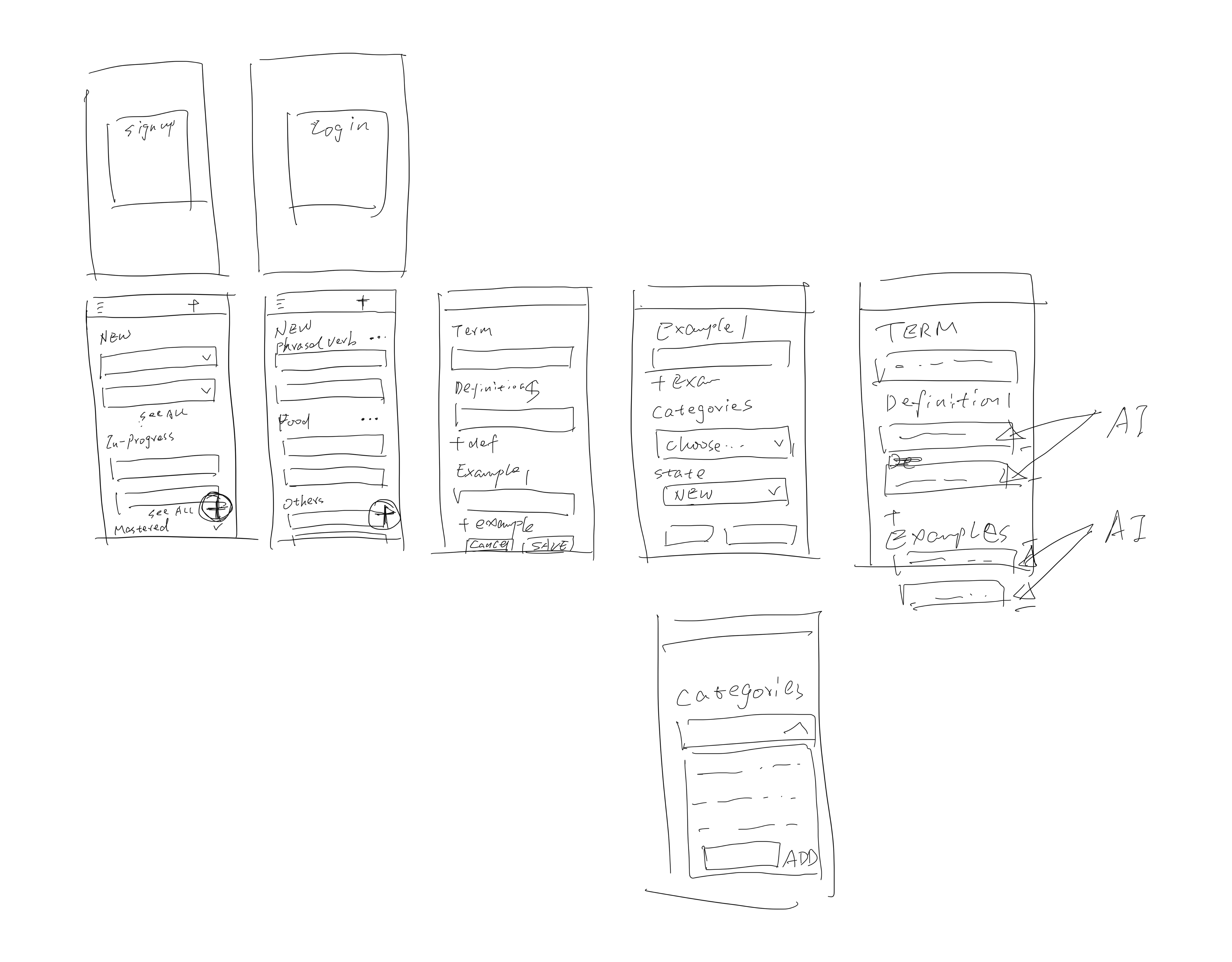
LingoBun started as a rough, back-of-the-napkin sketch:
Within a single day, that sketch became a working prototype:
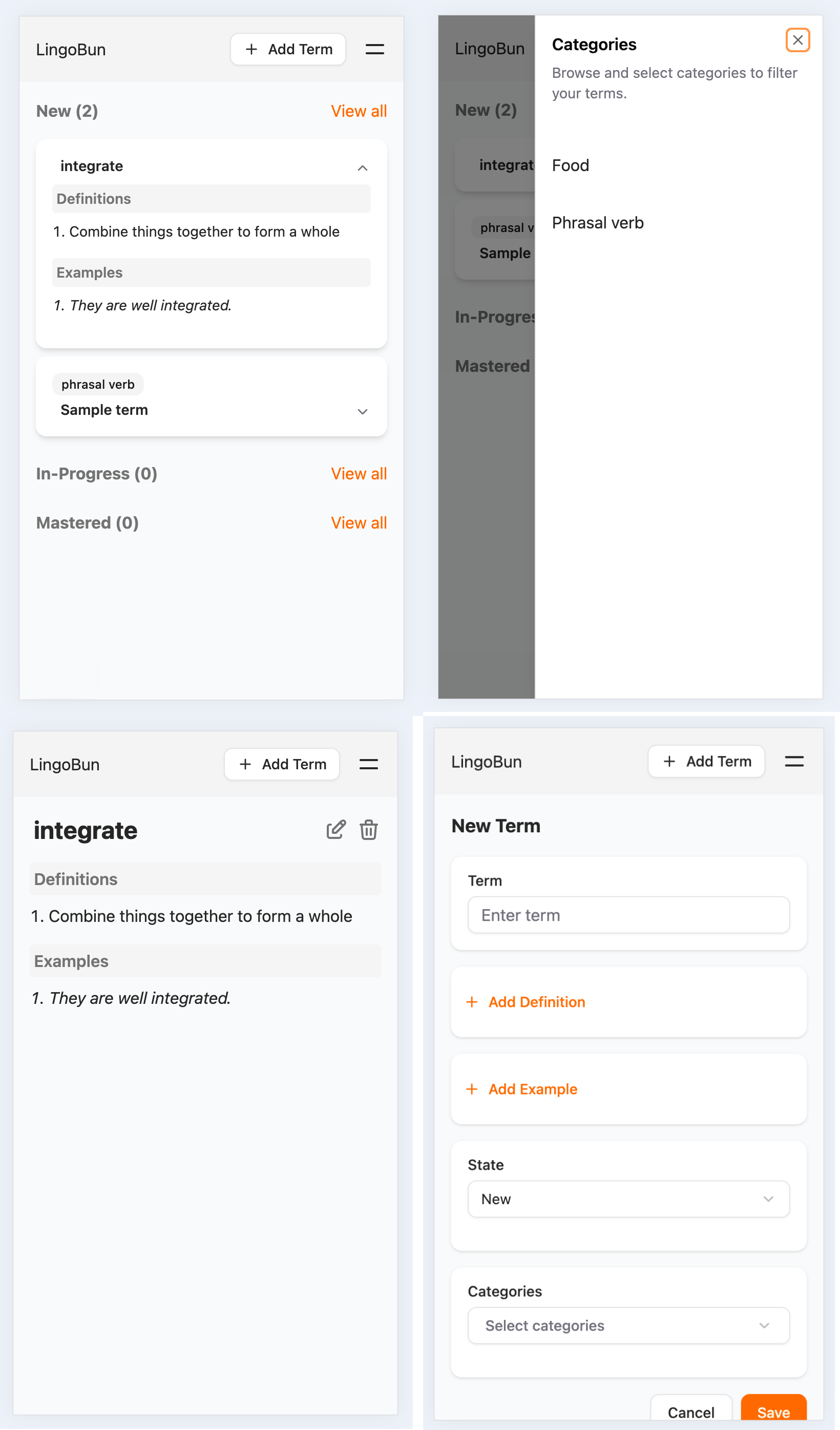
With core features and key user flows being implemented, and a decently user-friendly interface, the product was ready for its first round of user testing.
This speed wasn't just about moving fast; it fundamentally changed when and how decisions were made. Ideas were validated in real usage, not in abstract discussions or static mockups.
The tooling that made this possible:
1. Modern Frontend Frameworks
Frameworks like Next.js make it practical to prototype with production-grade architecture from the start. Features such as server-side rendering, React Suspense, and Server Components reduce boilerplate and allow server and client logic to live together. This makes early prototypes feel real, fast, and structurally sound.
2. High-Quality Component Libraries
Component libraries like shadcn/ui raise the floor for visual quality. Early prototypes no longer need to choose between speed and polish. With a solid design system in place, interfaces can look refined from day one, which leads to more accurate user feedback and fewer surprises later.
3. Developer-Friendly Deployment Platforms
Platforms like Vercel remove friction from deployment and sharing. With minimal setup, a prototype can be deployed, tested, and iterated on continuously. This tightens the feedback loop even further and makes collaboration effortless.
4. AI-Assisted Development
On its own, AI doesn't magically create good products. But when paired with solid frameworks, high-quality design libraries, and a well-defined design intent, it fundamentally changes how prototypes are built and evaluated.
While working on LingoBun, AI allowed me to stay focused on what I wanted to build rather than getting bogged down in the details of how to build it.
More importantly, AI made early prototypes feel far more "finished" than they traditionally would at this stage. By consistently applying UI patterns and enforcing basic UX rules, the prototypes had a direct impact on the quality of user testing: users were less sidetracked by surface-level usability issues and could focus more on the underlying value and workflow of the product.
I think the most underrated effect was how much cheaper failure became. When iteration costs drop, experimentation becomes the default. Ideas are tested in code rather than debated in meetings or design documents. Mistakes are discovered through usage, not speculation. That shift encourages action, learning, and momentum.
Closing Thoughts
Prototyping used to be a bottleneck. Today, with modern frameworks, polished UI libraries, seamless deployment platforms, and AI-assisted development, it can be a superpower.
I believe that the fastest prototypes are no longer the ones that cut corners, but the ones that collapse the distance between idea, implementation, and learning. This has changed not just how I build products, but how I think about design itself as well.